What Is an Accounting Operating System — And Why Your Firm Is Running Without One
By Dan Gudkov | May 25, 2026 | 8 min read
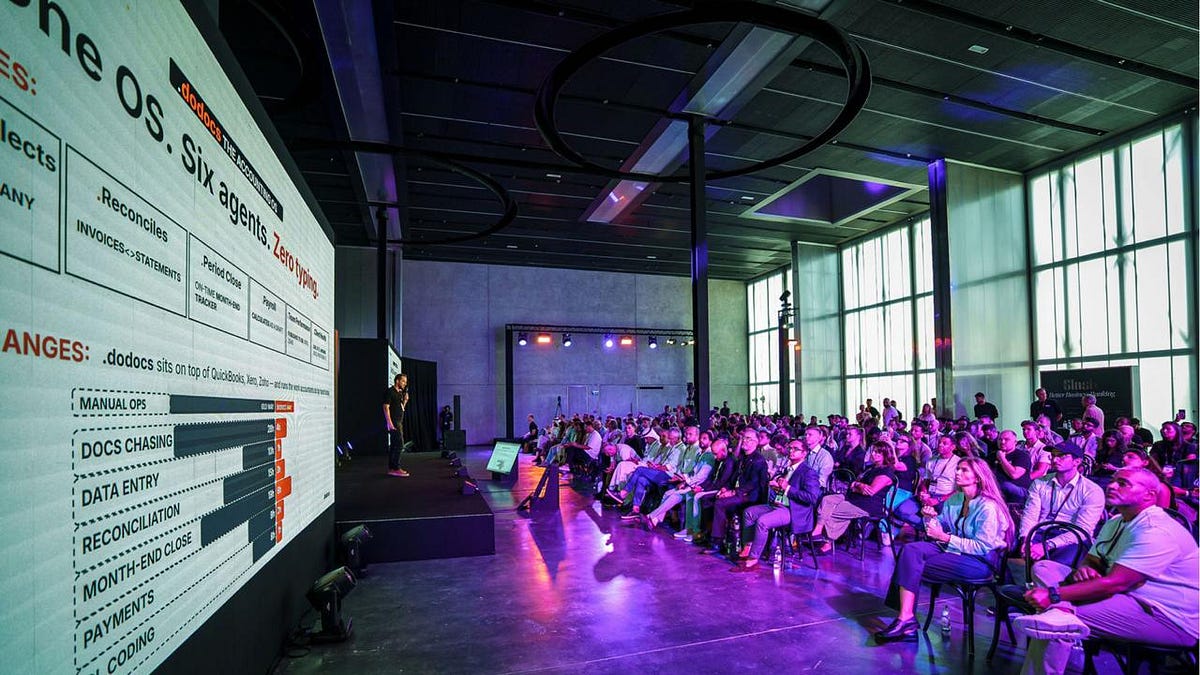
The average bookkeeper spends 89 hours a month on work that adds zero value to any client. Here's what's actually eating that time, and what an Accounting Operating System (AOS) does about it.
The 89-Hour Leak: Why Your Staff is Drowning
Every firm thinks they have a 'hiring problem'. They don't. They have a 'plumbing problem'. Most of your team's time is spent on 'document plumbing' — chasing clients for missing bank statements, re-keying data from PDFs into QuickBooks, and flagging anomalies that shouldn't have been there in the first place.
The 89 hours isn't a random guess. It's the aggregate of manual entry, document collection, and simple reconciliation that modern AI is already capable of handling autonomously.
What Exactly is an Accounting Operating System?
Unlike a simple GL (General Ledger) like Xero or QuickBooks, an Accounting OS is a layer that sits on top. It doesn't just store the data; it manages the flow of the entire practice. It acts as the air traffic control for documents, communication, and automation.
An Accounting OS provides three core pillars: Automated Ingestion, Intelligent Context, and Autonomous Reconciliation. It's the difference between a filing cabinet and an active assistant.
Why Now? The AI Shift in 2026
We are entering an era where data extraction is no longer the challenge. The challenge is context. Knowing that a $45 transaction at 'Cafe Nero' is a business expense for a specific client meeting is where the AOS shines. It learns the context of the business, not just the characters on the page.
More articles
The Annual ROI of Automation: Reclaiming 120 Hours of Founder Time
By DoDocs Editorial Team | October 19, 2026 | 3 min read
From Chasing Clients to Supervising Systems: Managing Modern Accounting Teams
By DoDocs Editorial Team | October 19, 2026 | 3 min read
Scaling Your Fractional Accounting Firm: Reclaiming 30+ Hours per Week per Bookkeeper
By DoDocs Editorial Team | October 19, 2026 | 3 min read